Bed bugs, ants and spiders may all crawl, but they live, feed and spread in very different ways, so one treatment cannot suit all three. We identify the pest first, then plan the spraying, the placement and the sealing around its habits. Below is how we approach each one, and where we find that the treatment makes the biggest difference. Every plan begins with an inspection, because the right treatment depends on what is actually in your property.
Bed Bug Treatment for Mattresses, Bed Frames and Bedrooms
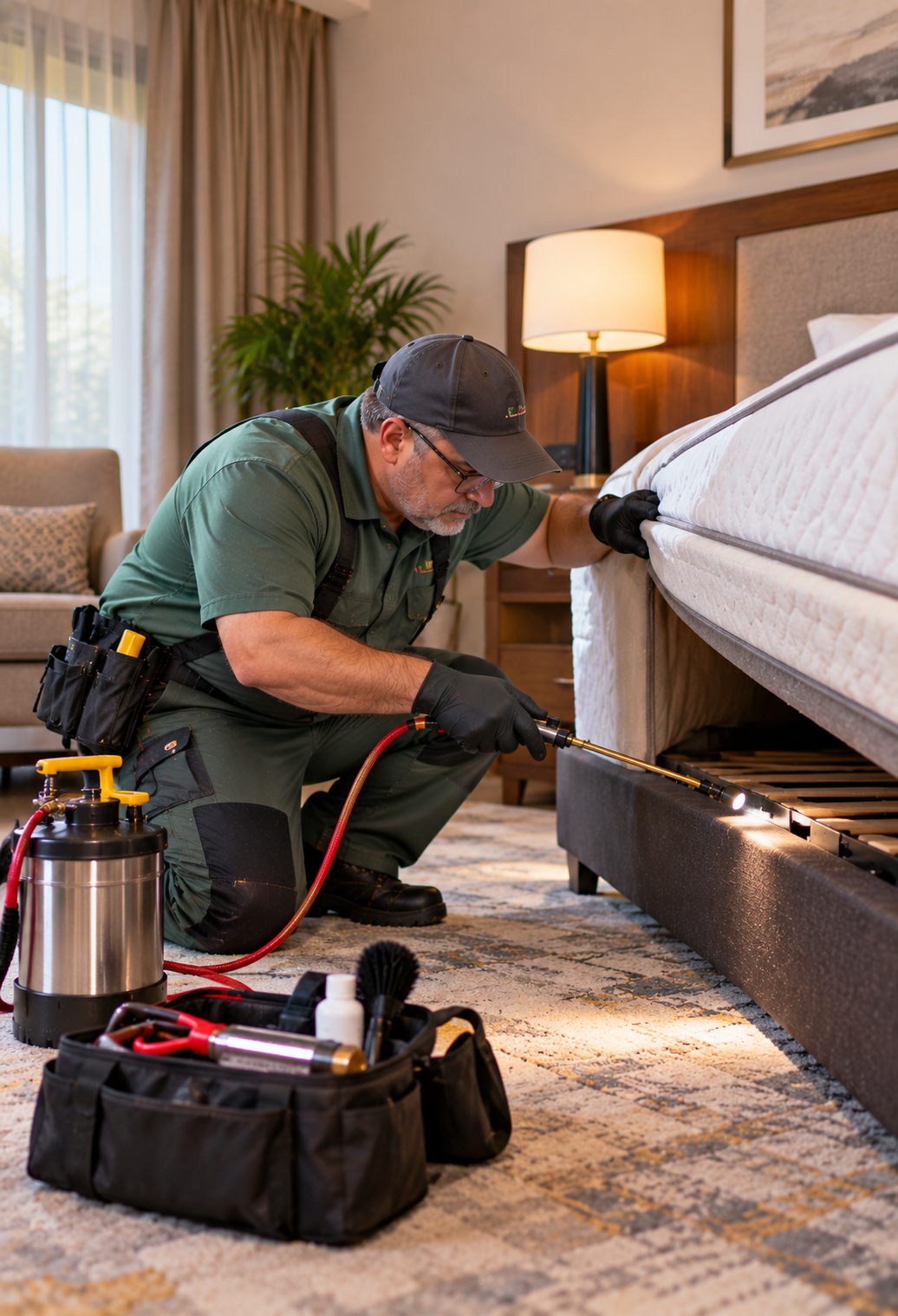
Bed bugs live in mattress seams, bed frames, headboards, bedside furniture, curtains and cracks in nearby walls, and they come out at night to feed. We carry out a targeted residual treatment of these hiding places as per SOPs, combined with crack and crevice treatment. Our technician also explains how to handle bedding and furniture, so the treatment works and the bed bugs do not simply move to another room.
Ant Control for Kitchens, Stores and Indoor Trails
Ants follow scent trails between their nest and a food source, which is why they appear along skirting boards, sinks, cupboards and window frames. We trace the trails to find where ants are entering and nesting, apply targeted treatment along those routes and treat cracks and crevices to limit how they travel. Advice on sanitation, such as sealing sweet and oily foods, helps keep ants from returning.
Spider Control for Corners, Storerooms and Outdoor Areas
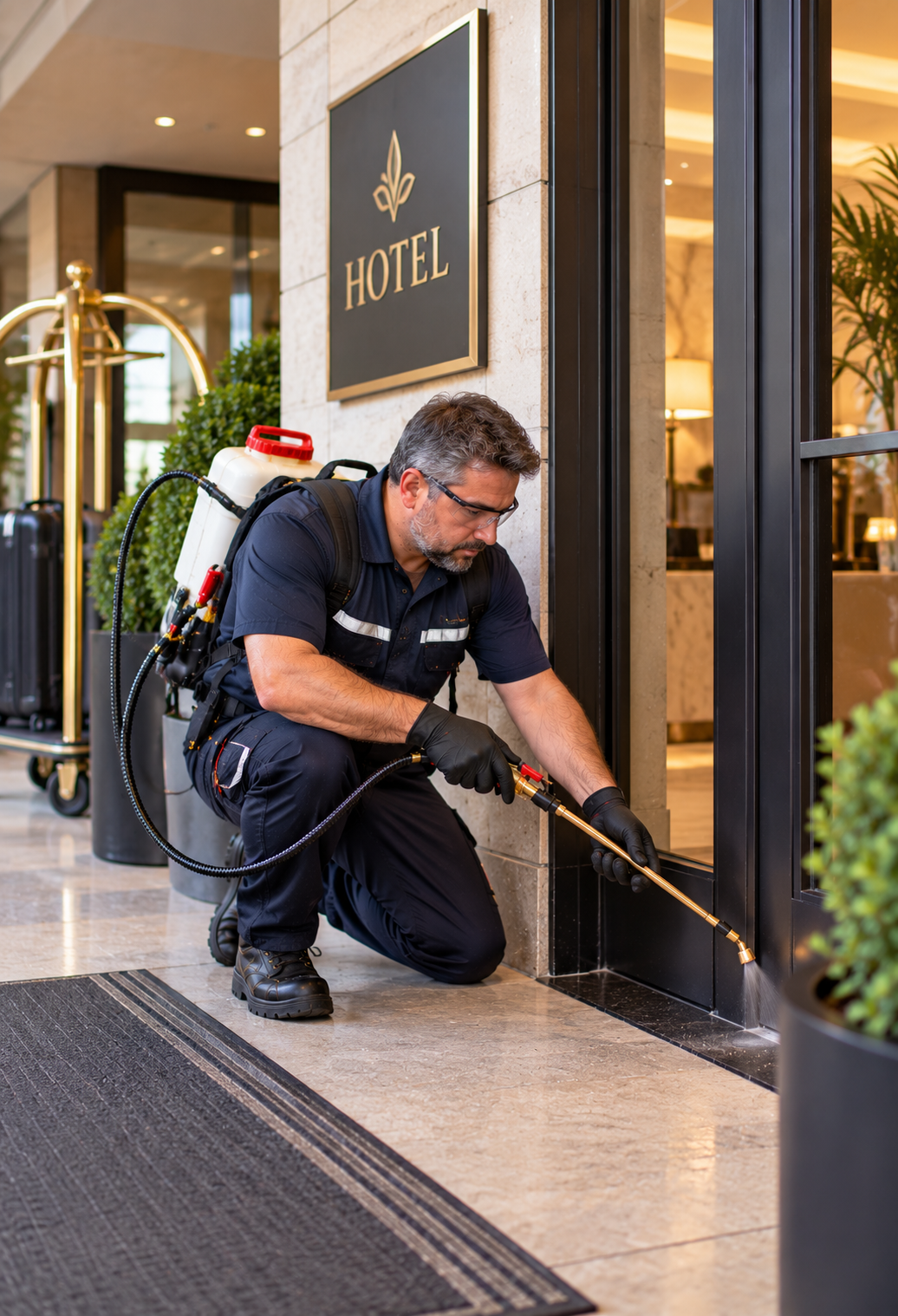
Spiders settle in quiet, undisturbed spots such as ceiling corners, storerooms, window frames, behind furniture and outdoor areas, spinning webs and attracting insects. Residual spraying and sealing of cracks and entry points reduce the number of spiders and make the area less welcoming. Because spiders follow their food, controlling the insects around your property is part of keeping them away for good.