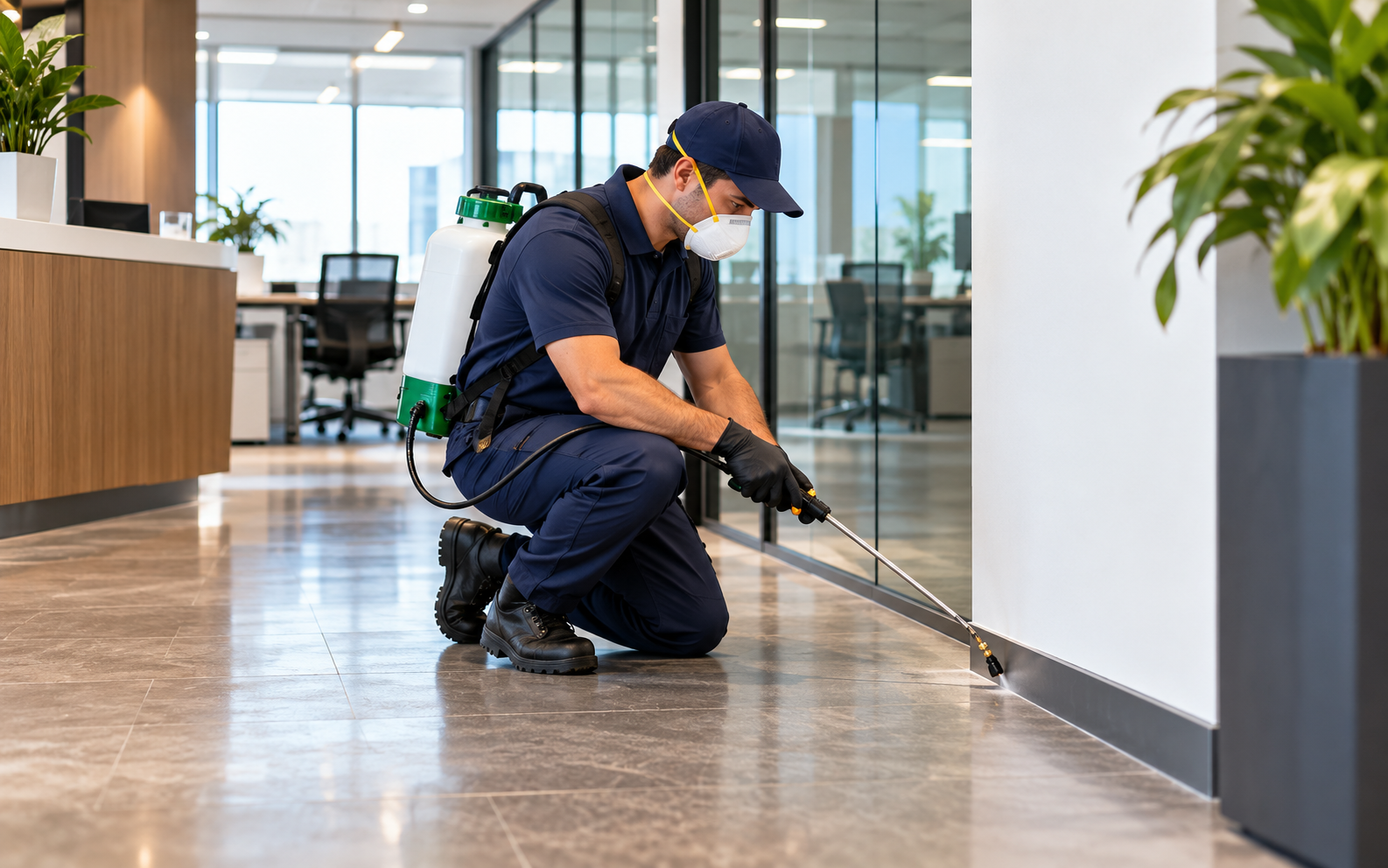

Few places are as green and welcoming as the Kangra valley, with its fields, gardens, forests and the Dhauladhar hills in the background. But a home surrounded by greenery is also a home that pests find attractive. Heavy monsoon rain, damp walls, gardens, grain stores, cattle sheds and wooden fittings give termites, rats, cockroaches, mosquitoes and even snakes a reason to come closer. That is why pest control in Kangra is something every family should plan for, not just react to when a problem becomes obvious.
This guide is written for home owners and families. It explains why homes in the valley attract pests, which pests to expect, how to check your home room by room, how to keep children, pets and elders safe during treatment and when it makes sense to call a professional.
Why Homes in the Kangra Valley Attract Pests
Pests look for food, water, shelter and a quiet place to breed, and a typical home in the valley offers all of them. The rainy season brings heavy rainfall, which keeps walls, roofs, courtyards and drains damp for weeks. Gardens, trees and fields come right up to the house, so rodents, lizards, frogs and snakes can easily move from open ground to the doorstep. Grain, pulses and animal feed stored at home attract rats and mice, and cattle sheds and compost can bring flies in large numbers.
Many houses also contain wooden doors, windows, beams and furniture, which termites enjoy when moisture is present. Open drains, water tanks and household containers collect rain and become breeding places for mosquitoes. In short, a home here rarely has just one pest risk. It usually has several, and they change with the seasons.
The Common Household Pests You Can Expect
Termites and Your Wooden Furniture
Termites live in the soil and travel to wood, which they eat from the inside. Doors, window frames, cupboards, beds, flooring and bookshelves can be damaged for months before the signs appear. Look for thin mud tubes on walls, wood that sounds hollow, powdery dust near furniture and paint that bubbles or peels. Protection comes from treating the soil around the foundation, treating infested timber directly and using bait stations, followed by regular checks. Reducing damp makes a big difference.
Cockroaches, Ants and Flies in the Kitchen
Kitchens offer food, warmth and water, so cockroaches, ants and flies appear in most homes at some point. They walk over food, utensils and counters, and spread germs. Cleaning and sealed storage help, but they usually hide in cracks, drains and behind appliances, where cleaning cannot reach. Gel baiting, targeted spraying and sealing, along with good waste habits, are the most reliable way to stop them, which is the heart of cockroach control.
Rats and Mice in Stores, Roofs and Walls
Rodents love grain stores, kitchens, attics and the spaces behind cupboards. They gnaw on wires, bags and furniture, spoil food and leave droppings. A rat can slip through a gap far smaller than you would expect, so checking pipes, vents, doors and roof edges is important. Traps and baits remove the rodents inside, while sealing and proofing stop new ones from entering.
Mosquitoes Around Gardens and Water Tanks
Rain collects in plant pots, buckets, tyres, coolers and roof tanks, and mosquitoes breed there within days. Besides making evenings uncomfortable, mosquitoes can carry disease, so reducing them protects your family’s health. Empty and scrub containers every week, cover tanks and keep drains clear. Where breeding is heavy, professional fogging and larval source management help.
Snakes and Lizards Near Gardens, Fields and Walls
In a green valley, snakes and lizards are a part of life. Snakes come close when they find rodents, frogs, cover and water, and they may enter through gaps, drains or open doors. Lizards follow insects to lights and kitchens. If a snake appears, stay calm, keep everyone back and ring trained snake rescue handlers, because tackling one yourself risks a bite and many species are legally protected. Clearing clutter and controlling rodents make your home less appealing to them.
Bed Bugs in Bedrooms and Rentals
Bed bugs are less about dirt and more about travel. They hitch a ride on luggage, bags and second-hand furniture, then hide in mattress folds, bed frames and wall cracks. Signs include itchy bites and dark spots on sheets. Rented rooms, guest rooms and homes with frequent visitors are at higher risk. Targeted treatment and careful handling of bedding are needed so that the bugs do not spread to other rooms.
A Room-by-Room Home Check
Walk through your home once a month with a torch and look for early warning signs.
- Kitchen: Look behind appliances, under sinks and inside cupboards for droppings, egg cases and gnawed packaging. Check that food and grain are in sealed containers.
- Store room: Check bags, boxes and corners for droppings and holes, and keep items off the floor.
- Bedrooms: Inspect mattress seams, bed frames and curtains. Look at wooden furniture for mud tubes and fine dust.
- Bathrooms: Look for damp corners, leaks and open drains where cockroaches and mosquitoes gather.
- Roof and attic: Check for gaps, nests, droppings and damp patches.
- Garden and courtyard: Remove standing water, clear clutter and woodpiles, trim long grass and check drains.
Keeping Children, Pets and Elders Safe During Treatment
Safety matters as much as results. Before a visit, tell your technician about children, pets, elderly family members and any health concerns. Cover or store food, utensils and children’s items, and follow the technician’s instructions about which rooms to avoid and for how long. Keep pets away from treated areas as advised, and ask what to do about cleaning and ventilation afterwards.
Ask to see the technical data and MSDS sheets for any product, and make sure it is applied exactly as the label and regulations direct. Never mix or apply strong products yourself, and never leave pesticides within reach of children. If you have questions about a product, ask before the visit, not after.
Special Considerations for Homes With Cattle Sheds and Kitchen Gardens
Many homes in the valley keep cattle, poultry or a kitchen garden, and these add extra pest pressure. Animal feed and manure attract flies and rodents, standing water near sheds breeds mosquitoes and heaps of dry grass or firewood give snakes and rodents cover. Store feed in sealed bins, clear manure regularly, keep sheds and compost away from living areas and drain water away from walls. These small steps reduce the number of pests that reach your door and make professional treatment more effective.
A Home Pest Calendar Through the Seasons
- Monsoon: Check roofs, walls and drains for damp, empty standing water weekly and watch for termites, mosquitoes, ants and snakes near the house.
- Autumn: Seal gaps and store grain securely before rodents look for winter shelter.
- Winter: Watch for rodents and cockroaches near warm kitchens and stores, and keep food covered.
- Spring and summer: Expect more flies, ants and mosquitoes, and keep waste covered and drains clear.
Simple Habits That Protect Your Home All Year
- Store grain, pulses and food in sealed containers.
- Empty kitchen bins daily and keep them covered.
- Repair leaks and keep wooden furniture away from damp walls.
- Close gaps around pipes, doors, windows and vents.
- Stack firewood and cardboard away from walls and raised off the ground.
- Trim bushes near walls and keep the garden free of clutter and standing water.
When to Call a Professional
Home remedies can help with minor issues, but call a professional if pests keep coming back, if the damage is hidden inside walls or timber, as with termites, or if there is a safety risk, as with snakes. A good technician, like those on our residential pest control team, will inspect first, explain what they find, recommend a plan and tell you what to expect. They will also give prevention advice, because treatment works best when habits and repairs support it.
Dhiman Pest Control has looked after families since July 2012. Our head office is in Dharamshala in the Kangra district, so we offer pest control in Kangra from close by, and our licence number is P44/2014. Our technicians inspect first, explain what they find in plain language and give you advice you can follow at home. Call +91 98173 94140 to arrange a visit.
Answers for Families Asking About Pest Control in Kangra
1. Why do I see more snakes and insects in my home during the rains?
Heavy rain floods burrows and nests and raises humidity, so insects, rodents and snakes move to higher, drier places, often around homes and gardens. Standing water adds mosquitoes and damp wood attracts termites. Clearing clutter, sealing gaps, controlling rodents and removing standing water make your home less appealing, and trained professionals should handle any snake.
2. How can I protect my home from termites?
Reduce damp by fixing leaks and improving ventilation, keep wooden furniture away from damp walls and floors and keep wood and cardboard raised off the ground. Look over doors, frames and furniture often for mud tubes and hollow-sounding wood. For lasting protection, a professional treatment of soil and timber with bait stations, followed by routine inspection, works better than surface sprays alone.
3. Is pest control safe for children and pets?
Reputable providers use products backed by technical data and MSDS sheets and apply them as directed by the label and regulations. Your technician should explain which areas to keep children and pets away from and for how long, and what to cover or move. Mention children, pets, elders and any health conditions before the visit.
4. How often should I get my home treated for pests?
It depends on your home, surroundings and the pests found. Homes near fields, gardens and forest edges usually benefit from regular inspections, especially before and during the monsoon. After the first inspection, your technician can suggest whether you need a single treatment, seasonal checks or a regular schedule.
5. What should I do before a technician visits my home?
Cover or store food and utensils, clear access to kitchens, stores, cupboards and wooden furniture, and note where you have seen pests. Let the technician know about children, pets and any health conditions. Avoid spraying your own products just before the visit, since this can make it harder to see where pests are active.